

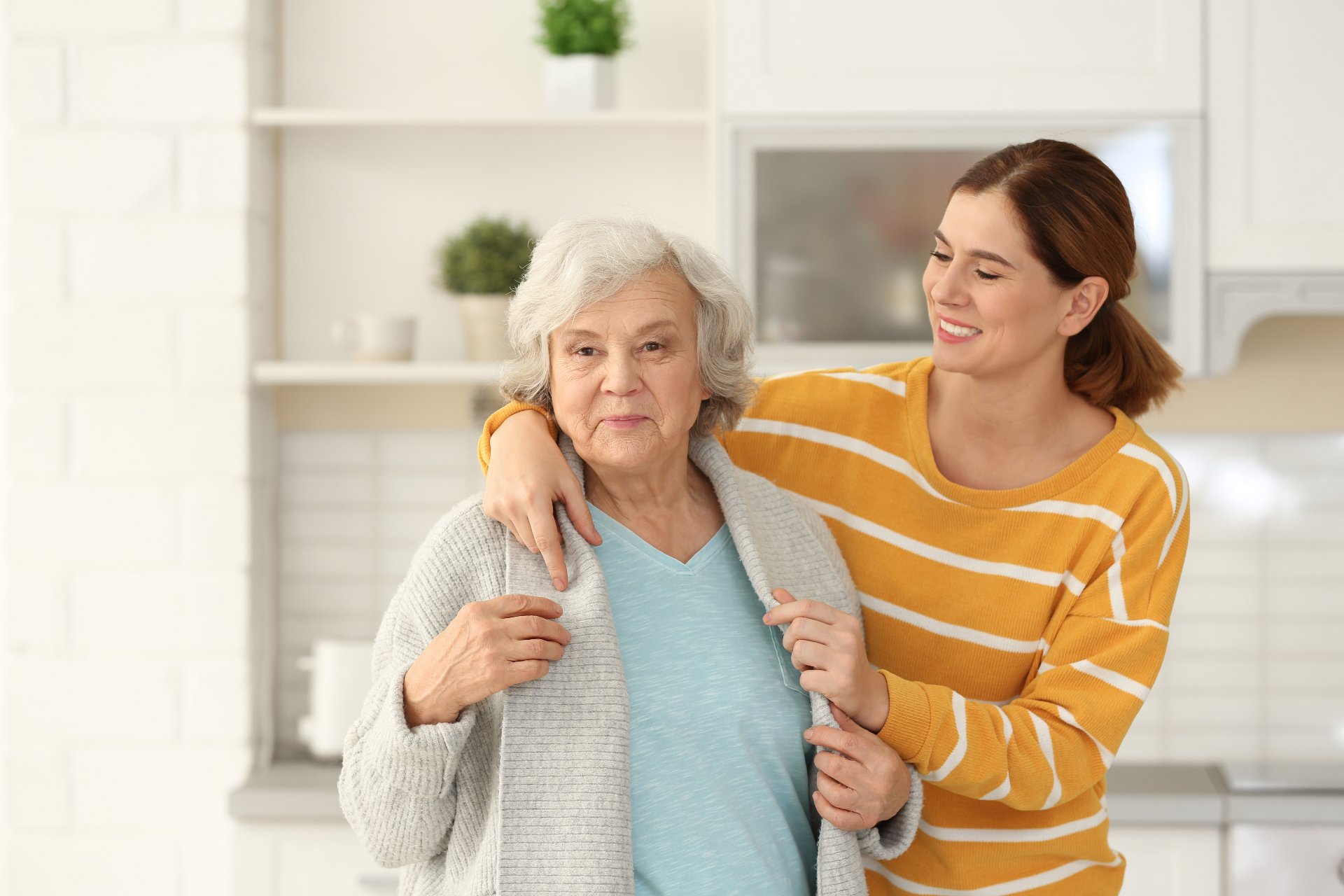
As the leaves begin to change and temperatures start to drop across Virginia, fall is a good time for families to look beyond seasonal decorations and think about something more important: Is our loved one prepared to stay safe, warm, and comfortable at home during the colder months?
For senior citizens, winter preparations involve more factors beyond switching on furnaces or selecting heavier garments. Frigid weather affects balance, increases falling risks, complicates routine daily tasks, plus introduces additional hurdles for persons living alongside chronic medical ailments or diminished muscle strength during typical low temperatures.
Within home healthcare, we notice how modest alterations involving personal routines or household layouts make significant differences concerning whether individuals remain safe, secure, plus independent while living inside their private homes.
A frequent scenario we encounter involves one elderly person performing fine throughout pleasant seasons although struggling once outdoor conditions shift. Exiting properties feels tougher. Walkways look slippery. One typically easy staircase suddenly appears physically demanding. Even choosing outfits with layers proves frustrating for persons suffering from stiff joints, muscle weakness, or restricted movement patterns within their arms.
That is why October is an excellent time to prepare, not wait until winter arrives.
Here is a practical fall-to-winter home care checklist families can use.
-
Check the Home’s Heating and Indoor Temperature
Before temperatures become consistently cold, make sure the home’s heating system is working properly.
Older adults may be more vulnerable to cold because the body’s ability to recognize and regulate temperature can change with age. The National Institute on Aging recommends keeping the home warm and notes that older adults can be at risk for hypothermia even when indoor temperatures may not feel extremely cold to younger people.
Families should:
- Have the heating system inspected or serviced as needed.
- Make sure vents and heating registers are not blocked.
- Check that the thermostat is working properly.
- Keep an easy-to-read thermometer in the home.
- Check for drafts around windows and doors.
- Make sure your loved one has warm clothing, socks, and blankets available.
If your loved one depends on family members for these tasks, October is the time to put them on the calendar rather than waiting for the first cold snap.
-
Walk Through the Home With Fall Prevention in Mind
When we think about winter safety, we often focus on icy sidewalks. But fall prevention actually starts inside the home.
Ask yourself:
- Can my loved one safely get from the bedroom to the bathroom at night?
- Are there objects in the hallway that could become tripping hazards?
- Can they safely get in and out of the shower?
- Is the home adequately lit?
Check hallways, stairs, bedrooms, bathrooms, and entrances for potential hazards.
Consider:
- Removing loose or unnecessary rugs.
- Keeping electrical cords away from walking paths.
- Adding night-lights in hallways and bathrooms.
- Installing or checking grab bars in the bathroom.
- Keeping frequently used items within easy reach.
- Making sure stairs have secure handrails.
- Keeping floors dry and uncluttered.
- Ensuring outdoor steps and walkways are in good condition.
From a home care perspective, one of the most important things is to look at the home from the senior’s point of view.
A hallway that seems perfectly safe to a family member who walks quickly and confidently may be much more challenging for someone who uses a walker or has difficulty with balance.
-
Pay Attention to Mobility Changes
Fall and winter can expose mobility problems that were less noticeable during the summer.
Maybe your mother is taking longer to stand up from her chair.
Maybe your father has started holding onto furniture when walking through the house.
Maybe your loved one is avoiding the stairs.
These changes should not simply be dismissed as “getting older.”
Changes in balance, strength, walking ability, or confidence can be important signs that a senior needs additional assessment or support.
Physical therapy may help some individuals improve strength, balance, mobility, and safe movement. A healthcare professional can also help determine whether a cane, walker, or another assistive device is appropriate.
-
Make Cold-Weather Clothing Easy to Access
For someone with arthritis, weakness, or limited mobility, putting on several layers of winter clothing can be surprisingly difficult.
Instead of storing winter clothing in a difficult-to-reach closet, organize frequently used items where they are easy to access.
Keep items such as:
- Sweaters
- Warm socks
- Comfortable nonslip shoes
- Coats
- Gloves
- Hats
- Scarves
- Blankets
within easy reach.
Avoid requiring an older adult to stand on a chair or step stool to retrieve clothing or other winter supplies.
If something is difficult to reach, ask for help.
Preventing one unnecessary reach or climb can help prevent an unnecessary fall.
-
Review Medications Before Winter
Fall is also a good time to review medications with your loved one’s healthcare provider or pharmacist.
Some medications can cause side effects such as dizziness or drowsiness, which may increase fall risk. Other medications may affect how the body responds to cold.
Discussing medication side effects with a healthcare professional, particularly when medications may contribute to dizziness or balance problems.
Do not stop or change prescribed medications on your own.
Instead, ask:
- Are there medications that may cause dizziness?
- Has my loved one’s medication list changed recently?
- Are they taking medications correctly?
- Do they need assistance organizing medications?
- Has their healthcare provider recommended any changes?
A medication review can be especially helpful when a family notices a new change in balance, alertness, or daily functioning.
-
Prepare for Winter Weather and Power Outages
Virginia winters can bring cold temperatures, ice, snow, and storms. Families caring for older adults should have a basic plan before severe weather arrives.
Make sure your loved one has access to:
- A charged cellphone
- Flashlights
- Extra batteries
- Necessary medications
- Nonperishable food
- Drinking water
- Warm blankets
- Emergency contact information
- Important medical information
- A list of current medications
Also discuss who will check on your loved one if roads become unsafe.
This is particularly important for seniors who live alone.
A family may have a plan that works perfectly under normal circumstances, but winter weather can quickly change transportation and communication.
-
Keep Pathways and Outdoor Areas Safe
When temperatures drop, outdoor surfaces can become wet, icy, or slippery.
Before winter weather arrives, inspect:
- Front steps
- Driveways
- Sidewalks
- Porches
- Handrails
- Outdoor lighting
- Walkways to the mailbox or driveway
During icy conditions, use appropriate ice-melt products or sand where needed and avoid unnecessary trips outside.
We recommends keeping outdoor walkways clear of snow and ice, using railings, and wearing nonskid footwear to reduce the risk of falls.
For an older adult with balance or mobility concerns, asking someone else to handle snow or ice removal may be much safer than doing it themselves.
-
Don’t Forget Nutrition and Hydration
Cold weather can sometimes change a person’s appetite and daily routine.
Make sure your loved one continues to eat balanced meals and drink enough fluids according to their healthcare provider’s recommendations.
Pay particular attention if your loved one:
- Has difficulty preparing meals.
- Has lost weight recently.
- Has difficulty shopping for groceries.
- Has trouble remembering meals.
- Has dietary restrictions.
- I need assistance eating or preparing food.
A change in nutrition can affect energy, strength, and overall ability to manage daily activities.
Sometimes what a family notices first is not a major medical problem, it is simply that their loved one is becoming less able to manage everyday tasks independently.
-
Watch for Signs That Your Loved One Needs More Help
This may be the most important part of the checklist.
Ask yourself whether your loved one is still managing everyday activities safely.
Are they:
- Having difficulty bathing?
- Struggling to dress themselves?
- Missing medications?
- Having difficulty preparing meals?
- Avoiding showers because they are afraid of falling?
- Having more difficulty walking?
- Falling or almost falling?
- Becoming less active?
- Spending more time alone?
- Having difficulty keeping the home organized?
- Becoming increasingly dependent on family members?
One change by itself does not necessarily mean someone needs home healthcare.
But several changes together deserve attention.
This is where an assessment by an appropriate healthcare professional can help the family understand what kind of support may be appropriate.
Depending on an individual’s needs and care plan, home-based services may provide support with healthcare needs, mobility, personal care, and daily activities while helping the person remain in a familiar environment.
-
Create a Simple Family Check-In Plan
Finally, don’t wait until there is an emergency to decide who will check on your loved one.
Create a simple plan for:
Who checks in?
Identify family members, caregivers, or other trusted individuals.
How often?
Determine whether your loved one needs daily, several-times-a-week, or other appropriate check-ins.
What should they look for?
Changes in mobility, appetite, medication management, mood, hygiene, safety, or ability to complete normal activities.
Who should be contacted if something changes?
Keep important phone numbers easily accessible.
For families who live several hours away, having a reliable local support system can provide additional peace of mind.
A Fall-to-Winter Home Care Checklist
Before colder weather arrives, ask:
- ☐ Is the heating system working properly?
- ☐ Is the home comfortably warm?
- ☐ Are winter clothes easily accessible?
- ☐ Are walkways and stairs free of hazards?
- ☐ Is the bathroom safe?
- ☐ Are night-lights available?
- ☐ Are outdoor steps and walkways safe?
- ☐ Does my loved one have appropriate nonslip footwear?
- ☐ Have medications been reviewed with their healthcare provider or pharmacist?
- ☐ Is there an emergency plan for power outages or severe weather?
- ☐ Does my loved one have enough food and necessary medications?
- ☐ Have we noticed any changes in walking, balance, strength, or daily activities?
- ☐ Does my loved one need additional support at home?
Preparing Early Can Help Seniors Stay Safe and Independent
Preparing for colder weather is not about taking independence away from an older adult.
In many cases, it is about making the home and daily routine safer so that independence can continue.
As home healthcare professionals, we understand that every individual has different needs. A senior recovering from an illness may need a different level of support than someone living with chronic mobility limitations. Another individual may simply need help with certain daily activities while continuing to manage most things independently.
The goal is to identify those needs early and create a plan that supports safety, dignity, comfort, and quality of life.
If your family has noticed changes in your loved one’s mobility, daily routine, or ability to safely manage at home, don’t wait until a winter-related incident forces the issue.
Start the conversation now.
Life Impact Healthcare Services Can Help
At Life Impact Healthcare Services, we understand that remaining at home can be an important part of maintaining comfort, familiarity, and independence.
Our team works with individuals and families to provide appropriate home-based healthcare and support based on each person’s needs and care plan.
If you are unsure whether your loved one could benefit from additional support this fall or winter, talk with our team about your concerns and available care options.
Life Impact Healthcare Services
Helping individuals receive compassionate care while maintaining dignity and independence at home.
Contact us today to learn more about our home healthcare services and how we may support your family this season.
This article is for general educational purposes and is not a substitute for individualized medical advice. If you have concerns about your loved one’s health or safety, speak with their healthcare provider. For signs of a medical emergency, call 911.
Leave a Reply