

Supporting aging residents plus families throughout Virginia defines my professional daily role. My primary focus involves keeping seniors secure, capable, plus self-reliant inside familiar residences.
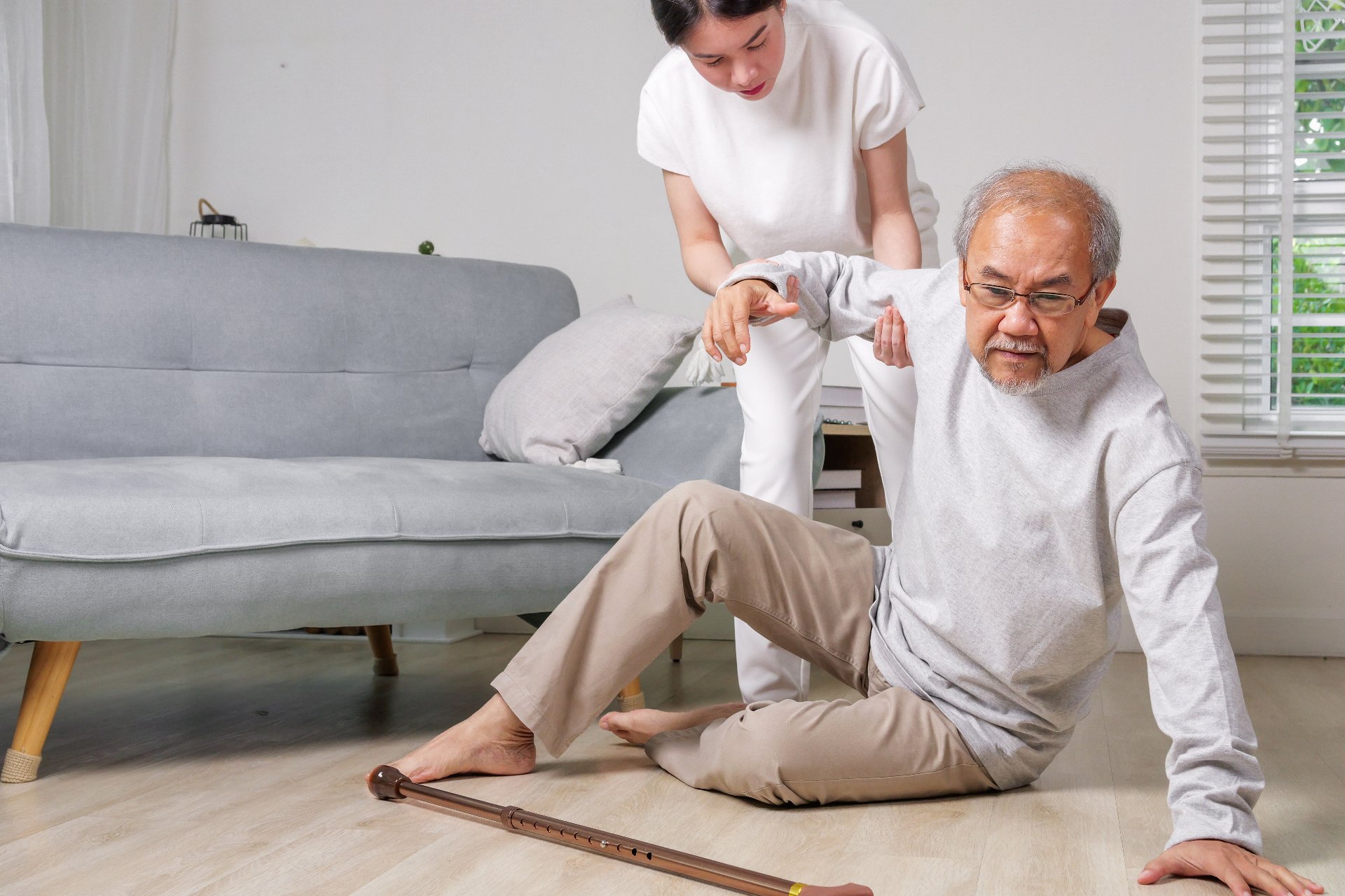
Falling occurs separately from normal aging progression. Caregivers pinpoint plus fix hazardous conditions before accidents occur. Centers for Disease Control and Prevention records show one in four adults sixty-five plus reports falling annually. Individuals change various factors causing these unwanted incidents.
Life Impact Healthcare Services views fall avoidance beyond basic injury prevention measures. Our mission supports aging seniors staying secure, capable, plus self-reliant inside preferred residential settings. Taking these precautions protects loved ones. Families possess power regarding house safety modifications today.
Implement these ten simple steps for fall prevention throughout this autumn season.
-
Assess and Remove Trip Hazards
One of the first things I look at when assessing an older adult’s home is the floor beneath their feet.
Something that seems harmless to a younger person—a small rug, electrical cord, cluttered hallway, or uneven threshold—can become a serious obstacle for someone using a cane, walker, or experiencing changes in balance or vision.
Start with these simple changes:
- Remove loose rugs from frequently used walking paths.
- Secure electrical cords along walls or use appropriate cord covers where needed.
- Keep hallways and frequently used areas free of boxes, shoes, bags, and other clutter.
- Check transitions between rooms for uneven flooring or thresholds.
- Keep the entryway clear so your loved one has room to stabilize when coming through the door.
- Make sure furniture does not obstruct common walking routes.
- Keep frequently used items within easy reach to reduce unnecessary bending or climbing.
My practice shows clearing clutter brings instant change. Clearer paths offer seniors space for movement while using assistive devices.
Prioritize stair safety.
Some seniors struggle to spot depth changes. Adding brightness to stair edges offers extra help. Try placing high-contrast tape for clarity.
Homes should avoid appearing sterile or clinical. The focus keeps living spaces simple for reliable daily movement.
-
Improve Bathroom and Shower Safety
Bathrooms require extra caution since wet areas and rigid floors combine with shifts in body positioning. Stepping inside showers, rising from toilets, or climbing across bathtub edges demands strong legs and good balance.
Individuals with limited stability face significant difficulty while performing these standard household activities every single day.
We commonly recommend considering:
- Properly installed grab bars in the shower or tub area.
- Grab bars near the toilet when assistance with transfers is needed.
- Non-slip mats or appropriate adhesive strips for wet areas.
- A shower chair or bench when standing for extended periods is difficult.
- A handheld showerhead that can be used while seated.
- Adequate lighting around the bathroom.
- A raised toilet seat when appropriate for the individual’s mobility needs.
A shower chair should never be viewed as a sign that someone is “giving up” their independence.
These equipment options protect your independence instead. Sitting safely while bathing prevents muscle exhaustion plus balance problems experienced while standing upright. You manage daily hygiene routines longer with the right support.
Always fasten professional grab bars securely into the wall studs for stability. Towel rods or household bathroom hardware provide zero safety. Trust purpose built steel equipment to keep your bathing environment safe at all times.
-
Optimize Lighting Throughout the Home
As the days become shorter in Virginia, lighting becomes even more important.
Seniors walk inside their homes easily while sunlight fills the rooms although they struggle to move through the identical space once the sun sets.
Poor lighting can make it harder to see:
- Steps and changes in elevation
- Objects on the floor
- Spilled liquids
- Furniture edges
- Bathroom fixtures
- Doorways and thresholds
Try these practical improvements:
- Replace burned-out bulbs promptly.
- Use bright, appropriate lighting in hallways, stairways, bathrooms, and kitchens.
- Place nightlights along the route from the bedroom to the bathroom.
- Consider motion-sensor nightlights for frequently traveled areas.
- Make sure light switches are easily accessible.
- Keep lamps positioned where they can be turned on without reaching or leaning dangerously.
- Consider smart lighting that can automatically illuminate areas during evening hours.
One thing we often remind families is that nighttime safety begins before bedtime.
Ensure the walkway toward the bathroom remains free of obstacles and well lit before your family member retires for the night. Placing a small light source avoids the hunt for a switch inside pitch black corridors.
-
Maintain Strength, Balance, and Physical Health
A secure living space matters but keep your attention on the person living inside. Aging makes lower body muscle tone balance agility and motor control vital priorities.
Our advice to families focuses beyond preventing accidents. We strive to improve physical health so seniors possess the strength to regain footing when they trip or meet an unexpected hazard.
Encourage appropriate physical activity such as:
- Walking, when medically appropriate
- Chair exercises
- Strengthening exercises
- Balance activities
- Gentle stretching
- Activities recommended by a physical therapist
The CDC recommends strength and balance exercises as part of fall prevention, and programs should be appropriate for the individual’s abilities and health status.
Don’t forget medication reviews.
If your loved one has recently experienced dizziness, unusual sleepiness, weakness, or changes in balance, speak with their healthcare provider or pharmacist.
Some medications or combinations of medications can contribute to dizziness or drowsiness.
Never stop or change a prescription medication without professional guidance.
Vision matters, too.
Schedule regular eye examinations and make sure your loved one’s prescription glasses are current.
When someone cannot clearly see steps, obstacles, or changes in the floor, navigating the home can become significantly more difficult.
And if you’re wondering about vitamin D or supplements, discuss those needs with your healthcare provider rather than starting supplementation on your own.
-
Choose Supportive Footwear
Something as simple as footwear can affect stability.
I often see older adults walking around their homes in socks, loose slippers, or footwear with worn-out soles. Although these may feel comfortable, they may not provide the stability needed for safe movement.
Look for footwear that:
- Fits securely without being too tight.
- Has a sturdy, supportive structure.
- Has a low or minimal heel.
- Provides adequate traction.
- Has a non-slip outsole appropriate for indoor surfaces.
- Does not easily slide off the foot.
Be particularly careful with loose slippers that can move independently of the foot.
Comfort and support don’t have to be opposites.
The goal is to find footwear that feels comfortable while also helping the person maintain stable contact with the floor.
-
Pay Attention to How Your Loved One Is Moving
Sometimes the home itself isn’t the first warning sign.
Your loved one’s movement may be telling you something.
Pay attention if you notice that they:
- Hold onto furniture while walking.
- Push heavily on furniture when standing.
- Shuffle their feet.
- Have difficulty turning around.
- It takes much longer to get up from a chair.
- Avoid stairs.
- Have become afraid to walk alone.
- Are using a cane or walker differently than before.
- Have experienced a recent near-fall.
These changes don’t necessarily mean that someone can no longer live independently.
They may simply mean that their needs have changed and their care plan should be reassessed.
A healthcare professional or physical therapist can help determine whether additional evaluation or intervention is appropriate.
-
Make the Bedroom Safer for Nighttime
Many falls happen when someone gets out of bed, particularly when they wake up suddenly during the night.
Before bedtime, make sure:
- The pathway beside the bed is clear.
- Shoes or supportive footwear are easy to reach.
- A nightlight illuminates the route to the bathroom.
- The telephone or emergency communication device is accessible.
- Frequently used items are within reach.
- The bed is at an appropriate height for the individual.
If your loved one experiences dizziness when standing, encourage them to sit at the edge of the bed for a moment before standing and to speak with their healthcare provider about recurring dizziness.
-
Be Careful With Stairs and Outdoor Entryways
Fall prevention shouldn’t stop at the front door.
Virginia’s fall weather can bring rain, wet leaves, and changing outdoor conditions that may make entrances and walkways more difficult to navigate.
Check:
- Front steps
- Porches
- Handrails
- Driveways
- Walkways
- Outdoor lighting
- Door thresholds
Remove leaves and debris regularly and address slippery or uneven surfaces when possible.
Make sure handrails are secure and that outdoor lighting provides enough visibility after sunset.
For someone using a walker or cane, even a small change in surface elevation can require additional attention.
-
Don’t Let Fear of Falling Lead to Isolation
After a fall or near-fall, it is understandable for an older adult to become nervous about walking.
But avoiding movement altogether can create another problem.
Less activity can contribute to loss of strength and confidence, potentially making everyday movement even more difficult.
That’s why our approach should be:
“How can we help this person move more safely?”
—not—
“How can we keep this person from moving?”
With the right support, appropriate exercise, home modifications, and professional guidance, many older adults can continue participating in their daily routines and activities.
Safety should create more independence, not less.
-
Know When Additional Home Support May Help
Perhaps the most important fall-prevention step is recognizing when your loved one’s needs have changed.
Families sometimes wait until after a serious fall before asking for help.
But proactive support can be very different from crisis care.
You may want to discuss additional support if your loved one is:
- Struggling with bathing or dressing.
- Having difficulty preparing meals.
- Becoming increasingly unsteady.
- Forgetting medications.
- Spending more time alone.
- Having difficulty keeping up with household routines.
- Experiencing repeated near-falls.
- Feeling less confident about moving around independently.
- Requiring more assistance than family members can consistently provide.
At Life Impact Healthcare Services, our goal is to help individuals remain as safe, comfortable, and independent as possible while receiving support in the environment they know best—their home.
Depending on individual needs, home care can provide assistance with daily activities, personal care, companionship, respite for family caregivers, and other supportive services.
Fall Prevention Is About Preserving Independence
Fall prevention does not mean taking away someone’s independence.
In fact, it can mean the opposite.
A clear hallway can make it easier to walk.
A properly installed grab bar can make it safer to shower.
Better lighting can make nighttime movement less intimidating.
Supportive footwear can improve stability.
Strength and balance exercises can help maintain mobility.
And appropriate home care can provide the additional assistance someone needs to continue living safely at home.
As a geriatric care professional, my focus is always on prevention rather than waiting for an accident to happen.
If you have an older parent, spouse, family member, or loved one living at home, this fall is a good time to walk through their home with them and ask:
“What could make moving around this home safer and easier for you?”
That simple conversation can be the beginning of a meaningful fall-prevention plan.
When Should You Ask for Help?
If you’re noticing changes in your loved one’s balance, mobility, strength, or ability to safely manage daily activities, don’t wait for a serious fall before seeking guidance.
Talk with their healthcare provider about new or worsening symptoms, and consider whether additional support at home could help.
Life Impact Healthcare Services is committed to helping seniors and individuals maintain dignity, independence, and quality of life at home.
📍 Serving Virginia families
Because proactive care today can help protect independence tomorrow.
Helpful Resources
Leave a Reply