

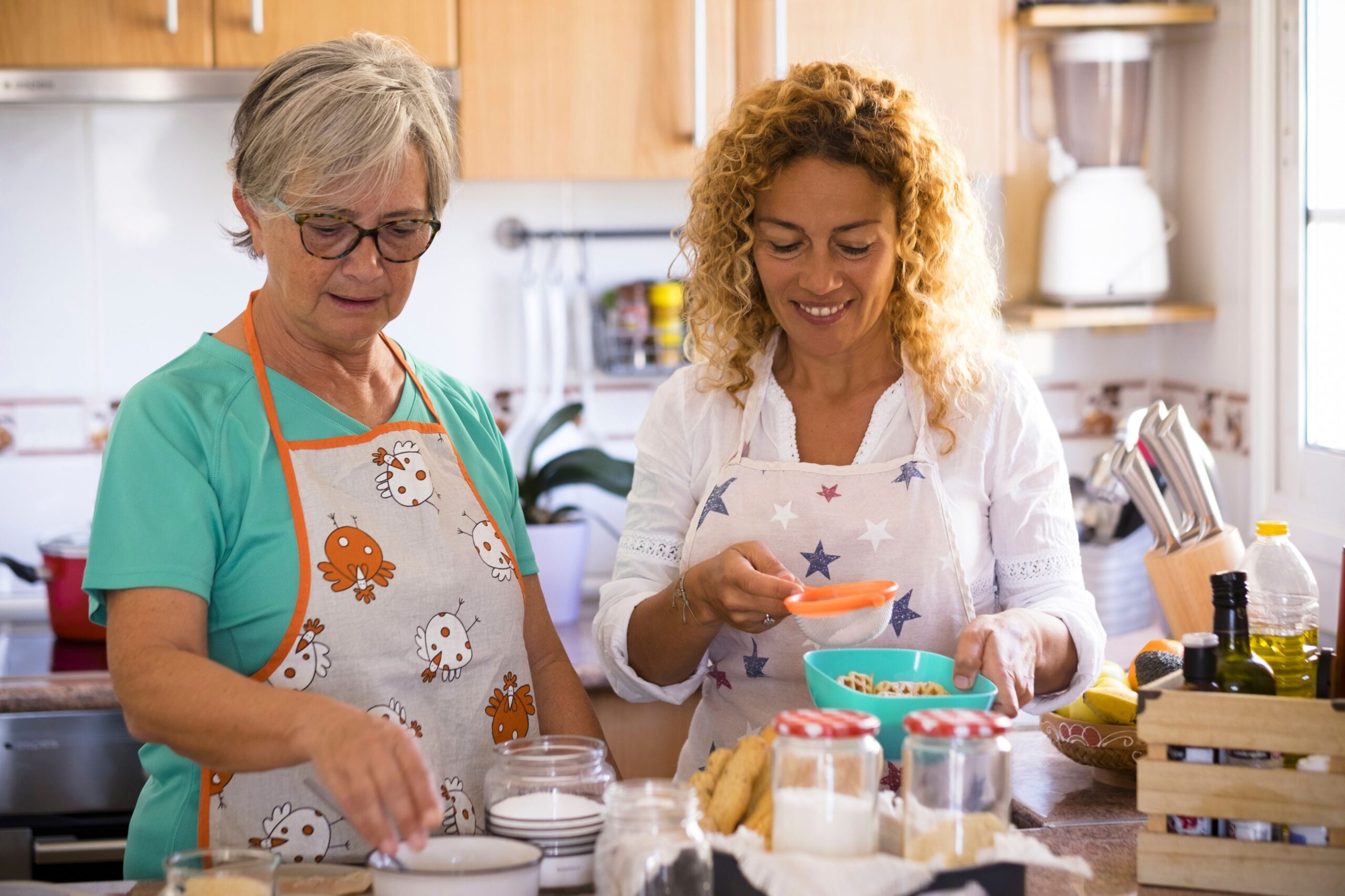
A comfortable home is about more than clean floors, organized rooms, and completed chores. It is also about creating a space where people feel safe, respected, involved, and connected to the activities that make everyday life meaningful.
For seniors and individuals who receive support at home, simple household routines can make a noticeable difference. Preparing breakfast, folding laundry, watering plants, organizing groceries, or taking a short walk can provide structure and opportunities to participate in daily life.
With the right support, these everyday activities can help individuals maintain familiar habits, exercise their abilities, make personal choices, and feel included in their own homes.
At Life Impact Healthcare Services, we believe that supporting independence means looking beyond basic household tasks. It means helping individuals remain engaged in their daily routines while respecting their preferences, abilities, and personal goals.
Here are practical ways household routines, errands, and meaningful activities can contribute to a more organized and fulfilling home environment.
1. Establish Simple Daily Household Routines
Daily routines help create a predictable rhythm. Knowing what to expect can make household responsibilities feel more manageable and reduce the stress of deciding what needs to be done next.
Routines should be flexible and adapted to each person’s energy level, schedule, and abilities.
Examples of simple daily routines include:
- Morning routines: Making the bed, opening curtains, getting dressed, preparing breakfast, and organizing personal belongings.
- Kitchen routines: Wiping countertops, washing dishes, putting away groceries, and keeping frequently used items within reach.
- Afternoon routines: Watering plants, folding towels, sorting mail, or enjoying a favorite hobby.
- Evening routines: Preparing comfortable clothing for the next day, tidying commonly used spaces, and organizing items needed for bedtime.
These activities do not need to be completed all at once. Breaking tasks into smaller steps and allowing time for rest can make participation easier.
For example, someone who finds it difficult to clean the entire kitchen may still enjoy wiping a countertop or arranging utensils. Small contributions count, and the goal is participation rather than perfection.
2. Make Household Chores Opportunities for Participation
Household chores are often viewed as responsibilities that simply need to be completed. However, when adapted appropriately, they can also provide opportunities for movement, decision-making, and a sense of accomplishment.
Instead of automatically doing everything for a loved one, consider which tasks they would enjoy or be comfortable helping with.
Everyday chores that may encourage participation include:
- Folding clean towels and matching socks.
- Sorting clothing before laundry.
- Arranging books, magazines, or personal belongings.
- Dusting accessible surfaces.
- Watering indoor plants.
- Organizing pantry items within easy reach.
- Preparing simple snacks.
- Helping set the table.
- Sorting recyclable materials when safe and appropriate.
- Choosing decorations or arranging flowers.
Always consider the person’s physical abilities, balance, vision, memory, and safety needs. Tasks involving heavy lifting, hot surfaces, sharp objects, chemicals, or climbing should be avoided or adapted when necessary.
The purpose is not to assign more work. It is to make room for meaningful involvement in everyday life.
A helpful approach: Ask, “Would you like to help me fold these towels, or would you prefer to arrange the magazines?”
Offering choices gives the person a voice in how their home is managed.
3. Organize Weekly Routines Without Creating Pressure
Some household responsibilities are easier to manage when spread throughout the week rather than saved for one demanding cleaning day.
A simple schedule can help families and caregivers coordinate responsibilities while leaving room for recreation and rest.
Here is an example of a flexible weekly household routine:
Monday: Laundry and clothing organization
Sort clothing, fold clean laundry, and choose outfits for upcoming activities.
Tuesday: Kitchen organization
Check pantry supplies, organize accessible shelves, and make a grocery list.
Wednesday: Light cleaning
Tidy commonly used areas, change linens when needed, and clear walkways.
Thursday: Errands and appointments
Review upcoming appointments, prepare shopping lists, and arrange transportation or assistance.
Friday: Personal interests and home comfort
Water plants, arrange photographs, organize a favorite reading area, or prepare for a relaxing weekend.
Saturday: Family and social connection
Enjoy a family meal, make a phone call, participate in a hobby, or spend time with friends.
Sunday: Rest and preparation
Review the upcoming week’s plans, prepare necessary items, and prioritize relaxation.
This schedule is only a starting point. Household routines should reflect individual preferences, cultural traditions, family schedules, and care needs. Some people may prefer doing several small tasks every day, while others benefit from having designated days for particular responsibilities.
4. Include Everyday Errands in the Routine
Life outside the home is an important part of maintaining independence and connection to the community.
When appropriate and safe, everyday errands can offer opportunities to make decisions, interact with others, and continue participating in familiar activities.
Depending on individual needs, errands may include:
- Grocery shopping and choosing preferred foods.
- Picking up household supplies.
- Visiting the pharmacy to collect prescriptions.
- Attending medical or personal appointments.
- Visiting a library or community center.
- Going to the post office or mailing letters.
- Visiting a favorite store or local market.
- Attending religious, cultural, or community activities.
- Walking in a park or visiting a nearby garden.
Not every individual will be able to complete every errand independently. Some may need transportation, mobility assistance, reminders, or help carrying items.
Even when a caregiver handles the driving or physical tasks, the individual can still participate in planning the trip, selecting products, managing a shopping list, or deciding where to go.
For example, rather than purchasing groceries without consultation, ask which fruits, vegetables, or meals the person would like for the coming week.
This small step supports personal choice and helps ensure that household routines reflect the person’s preferences.
5. Encourage Engagement Through Meaningful Activities
A comfortable home should provide opportunities for enjoyment, creativity, learning, and connection—not simply a place where chores are completed.
Meaningful activities can be incorporated naturally into daily routines.
Consider activities such as:
Creative activities
- Drawing, painting, knitting, or crafting.
- Arranging flowers or decorating a room.
- Creating photo albums or scrapbooks.
Practical activities
- Preparing a favorite family recipe.
- Planning meals.
- Organizing collections or keepsakes.
- Caring for plants or a small garden.
Mental stimulation
- Reading books, newspapers, or magazines.
- Completing puzzles or playing board games.
- Listening to audiobooks or learning something new.
- Discussing current events or sharing personal experiences.
Physical and outdoor activities
- Taking a short walk when appropriate.
- Participating in gentle movement or chair exercises.
- Spending time outdoors in a safe, accessible area.
- Helping with light gardening.
Social engagement
- Calling friends or relatives.
- Sharing meals with family.
- Participating in community programs.
- Attending suitable group activities or social gatherings.
Activities should be chosen according to personal interests, comfort, accessibility, and health needs. Someone who enjoys cooking may find meal preparation especially meaningful, while another person may prefer music, gardening, or conversation.
The best activity is not necessarily the most elaborate one. It is the one that gives the individual a reason to participate and something to look forward to.
6. Make Inclusion Part of Everyday Life
Inclusion means ensuring that individuals have opportunities to participate in household decisions, family activities, and community life, regardless of age, disability, mobility limitations, or the amount of assistance they receive.
It also means recognizing that needing support does not eliminate a person’s right to make choices or contribute in meaningful ways.
Families and caregivers can encourage inclusion by:
- Asking for input when planning meals and activities.
- Inviting individuals to participate in household decisions.
- Adapting tasks to accommodate different physical or cognitive abilities.
- Allowing enough time for individuals to complete tasks at their own pace.
- Respecting personal preferences, cultural practices, and established routines.
- Encouraging participation in family conversations and celebrations.
- Providing accessible ways to enjoy hobbies and community activities.
- Offering assistance without unnecessarily taking over.
For individuals with disabilities or changing abilities, adaptations may include using lightweight kitchen tools, placing everyday items within reach, providing clear instructions, or breaking an activity into manageable steps.
For someone who prefers not to participate in a particular chore, inclusion may simply mean offering another option or respecting their decision.
True inclusion is not about requiring everyone to do the same things. It is about making sure everyone has a meaningful opportunity to participate.
7. Balance Independence With the Right Amount of Support
Finding the right balance between assistance and independence can be challenging for families.
Helping too little may leave someone struggling with tasks that have become difficult or unsafe. Doing everything for them, however, may remove opportunities to make choices and participate in familiar routines.
A supportive approach begins by identifying what the individual can do independently, what they would like to do, and where assistance is needed.
For example:
- If standing for long periods is difficult, the person may prepare ingredients while seated.
- If carrying laundry is unsafe, they may fold clothing while someone else transports the basket.
- If shopping in person is tiring, they may help choose groceries from a list or online catalog.
- If organizing medications is challenging, a caregiver can provide appropriate assistance according to the care plan and applicable guidance.
- If cleaning is physically demanding, the person may choose which areas should be prioritized while a caregiver handles the heavier work.
Tasks should always be adapted to individual abilities and safety needs. New or worsening difficulties with movement, memory, balance, or daily activities should be discussed with an appropriate healthcare professional.
The objective is to provide enough support to make participation safe and achievable without unnecessarily limiting autonomy.
8. Create a Home Environment That Supports Comfort and Safety
An organized home can make daily routines easier to follow and help individuals navigate familiar spaces.
Simple adjustments can include:
- Keeping frequently used items in accessible locations.
- Maintaining clear walkways and removing unnecessary clutter.
- Providing adequate lighting in hallways, bathrooms, and kitchens.
- Using labels or visual reminders when helpful.
- Keeping cleaning supplies and potentially hazardous materials safely stored.
- Arranging furniture to allow comfortable movement.
- Establishing consistent locations for keys, glasses, phones, and other essentials.
- Keeping emergency contact information accessible.
These changes can be particularly helpful for people with mobility challenges, vision changes, or memory difficulties.
However, organization should not come at the expense of personal comfort. A person’s home should still reflect their identity, favorite belongings, habits, and preferences.
Before rearranging personal items or changing a familiar routine, involve the individual in the decision whenever possible.
A home should feel both manageable and familiar—not like someone else’s space.
9. Make Household Routines Flexible and Person-Centered
No two households have exactly the same needs, and routines that work well for one person may not work for another.
Some individuals prefer structure and clearly defined schedules. Others feel more comfortable with flexible plans that change according to their energy, interests, or appointments.
When creating a household routine, consider the following questions:
- What activities does the individual enjoy?
- Which tasks can they complete independently?
- Where would additional support be helpful?
- What time of day do they feel most energetic?
- Which activities help them feel connected to family or community?
- Are there cultural traditions or personal preferences that should be included?
- Does the schedule leave enough time for rest and spontaneous activities?
Review the routine regularly, especially when needs or circumstances change.
A successful routine should make life easier, not create unnecessary pressure. It should leave room for choice, rest, enjoyment, and the occasional change of plans.
How Home Care Can Help With Daily Household Routines
For families balancing work, caregiving, and other responsibilities, maintaining consistent household routines can sometimes become difficult.
Depending on the services provided and the individual’s care plan, home care may offer assistance with activities such as light housekeeping, meal preparation, personal care, companionship, and support with everyday routines.
A caregiver may help organize commonly used items, prepare meals, encourage participation in enjoyable activities, or accompany an individual during appropriate outings. Families should discuss specific needs and available services with their home care provider.
At Life Impact Healthcare Services, the goal is to support individuals in ways that respect their dignity, preferences, and independence.
Support should be individualized. Some people may need assistance with several daily activities, while others may benefit from occasional help or companionship.
The right approach recognizes the person first—not simply the tasks that need to be completed.
Small Routines Can Make a Meaningful Difference
An organized home does not have to be perfect, and a meaningful day does not need to be filled with activities.
Sometimes, the most valuable moments come from simple experiences: preparing a favorite breakfast, folding laundry together, choosing groceries, tending a plant, sharing a conversation, or enjoying time outside.
These everyday routines can create opportunities for participation, connection, and personal choice. With appropriate support, individuals can continue contributing to their households and maintaining familiar habits while receiving assistance where needed.
For families and caregivers, the first step can be as simple as asking a loved one what they would like to continue doing independently and where a little extra help would make life easier.
A well-supported home is more than a clean and organized space. It is a place where people feel comfortable, included, respected, and connected to the life they want to live.
Supporting Everyday Independence With Life Impact Healthcare Services
Life Impact Healthcare Services is committed to helping seniors and individuals receive support that promotes dignity, comfort, and independence at home.
If your loved one could benefit from assistance with daily routines or additional support at home, consider discussing their needs with our team.
Life Impact Healthcare Services
Serving Virginia families
Phone: 540-783-5280
Website:https://lifeimpactcare.com/
Making An Impact, One Life At A Time.
Leave a Reply